Enquiry List () (0)


- Dec 17, 2025

How Do Hazardous Chemicals Enter the Body?

In workplaces where chemicals are used, handled or stored, understanding the risks of exposure is important to keeping people safe. Employees can come into contact with a wide range of substances every day – from cleaning agents and solvents to acids and alkalis – all of which have the potential to cause harm if not managed correctly.
There are several ways that hazardous chemicals can be absorbed by the body, including inhalation, ingestion and direct contact with the skin or eyes. Of these, skin and eye contact present some of the most immediate risks, as harmful substances can quickly cause irritation, burns or be absorbed into the body through tissue.
In these emergencies, safety showers and eyewash stations play a critical role. They provide rapid decontamination, flushing away contaminants to mitigate serious injury. Whenever dealing with chemical hazards, having the right emergency equipment in place can make all the difference in protecting workers and reducing harm.
In This Guide
- Common Routes of Chemical Entry
- What Are the Risks of Chemical Hazards?
- How Safety Showers and Eyewash Stations Help Prevent Harm
- The Importance of Speed and Accessibility
- Preventing Chemical Absorption Through Best Practice
Common Routes of Chemical Entry
When it comes to chemical contact, the skin and eyes are the body’s most vulnerable entry points. Hazardous substances can be absorbed directly through these tissues, sometimes within seconds of contact. Even with strict safety controls in place, accidental splashes, spills or mists can still occur, making immediate access to emergency decontamination equipment essential.
Skin absorption happens when hazardous liquids such as acids, alkalis or solvents penetrate the outer layer of the skin. This can result in irritation, chemical burns or allow harmful substances to enter the bloodstream if not washed away quickly.
Eye contact is equally serious. The eyes are highly sensitive, and exposure to even small amounts of a corrosive or irritant chemical can cause pain, blurred vision or permanent damage if not treated immediately.
While appropriate personal protective equipment (PPE) such as gloves, face shields and goggles provides an important first layer of defence, safety showers and eyewash stations are vital in the event of accidental contact. They provide the immediate response needed to flush contaminants away and limit injury.
Swift action is key – the quicker a chemical is removed from the skin or eyes, the less severe the damage will be. That’s why every area where hazardous substances are used should have properly positioned, tested and maintained emergency equipment ready for instant use.
What Are the Risks of Chemical Hazards?
Many chemicals used in industry are corrosive, toxic or irritant in nature, meaning they can cause harm even after brief contact. The severity of an injury often depends on:
- The type of chemical
- Its concentration
- How long it remains on the body before being removed
In many cases, damage can occur within seconds of exposure. Corrosive substances start reacting immediately with body tissue, causing pain, redness and, in serious cases, irreversible injury. The longer a chemical remains in contact with the skin or eyes, the more extensive the harm.
That’s why speed is critical in an emergency. Immediate rinsing with tepid water from a safety shower or eyewash station helps flush away the contaminant, diluting and removing the chemical before it penetrates deeper layers of skin or eye tissue. Quick and effective decontamination can mean the difference between a minor irritation and a serious injury.
How Safety Showers and Eyewash Stations Help Prevent Harm
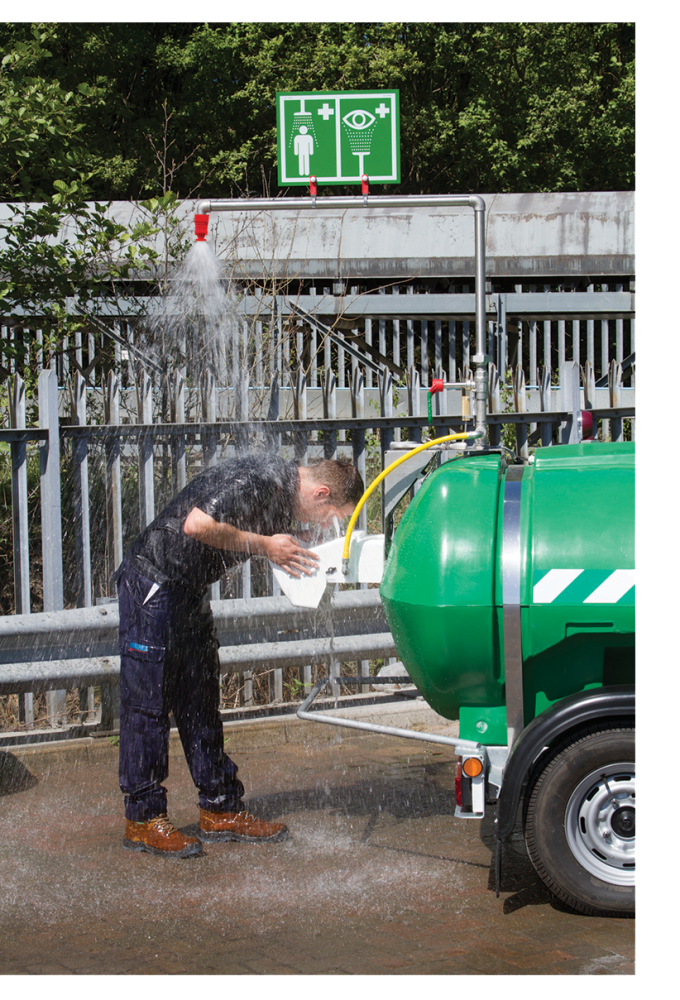 In the event of a chemical splash or spill, every second counts. Emergency safety showers and eyewash stations are designed to provide immediate, continuous flushing of affected areas, helping to remove or dilute hazardous substances before they can cause serious injury. Acting as the first line of defence in an emergency, this equipment ensures that contaminants are washed away quickly, reducing the risk of burns, irritation or chemical absorption through the skin and eyes.
A safety shower delivers a high volume of water to drench the entire body, while an eyewash station provides a gentle, controlled flow to rinse the eyes without causing additional trauma. Together, they help to prevent chemicals from penetrating deeper layers of tissue or entering the bloodstream, which can happen if contact is not treated immediately.
To ensure this emergency equipment performs as intended, it must comply with international standards such as ANSI/ISEA Z358.1. These standards specify essential requirements, including:
- Access within 10 seconds of the hazard area
- Continuous water flow for a minimum of 15 minutes
- Controlled flow rates and spray patterns that ensure comprehensive body coverage
Hughes manufactures a wide range of compliant emergency equipment to meet these requirements in every environment. Options include:
- Plumbed-in units for permanent installations
- Self-contained models for locations without a mains water supply
- Temperature-controlled or trace-heated systems for use in cold climates
- Self-draining and chiller options for hot climates
Each solution is designed to provide reliable, immediate protection, ensuring workers have the best possible chance of avoiding serious injury in the event of chemical exposure.
The Importance of Speed and Accessibility
When dealing with chemical exposure, speed of response is critical. The longer a hazardous substance remains on the skin or in the eyes, the greater the risk of lasting damage. For this reason, ANSI/ISEA Z358.1 and EN15154 standards require that safety showers and eyewash stations be located within 10 seconds’ reach of any potential hazard. This ensures that affected workers can reach the equipment immediately without delay or assistance to begin flushing contaminants away.
Accessibility is just as important as distance. Pathways to emergency equipment must be clear, well-lit and unobstructed at all times, allowing workers to react quickly, even in panic or with impaired vision. Equipment should also be installed on the same level as the hazard, with highly visible signage and, ideally, activated by a single, easy-to-use control such as a push handle or foot pedal.
However, even the best-positioned unit can only protect people if it operates correctly when needed. That’s why regular testing and maintenance are essential. Weekly activation checks confirm that water flows freely and the unit is functioning properly, while annual inspections help verify compliance with performance standards.
Finally, training plays a vital role in ensuring a quick and effective response. All employees working with or near hazardous substances should know when and how to use a safety shower or eyewash station, including the importance of keeping eyes open during rinsing and remaining under the flow for the recommended 15 minutes. Regular drills and clear emergency procedures help reinforce this knowledge, ensuring workers can act confidently and safely when every second counts.
Preventing Chemical Absorption Through Best Practice
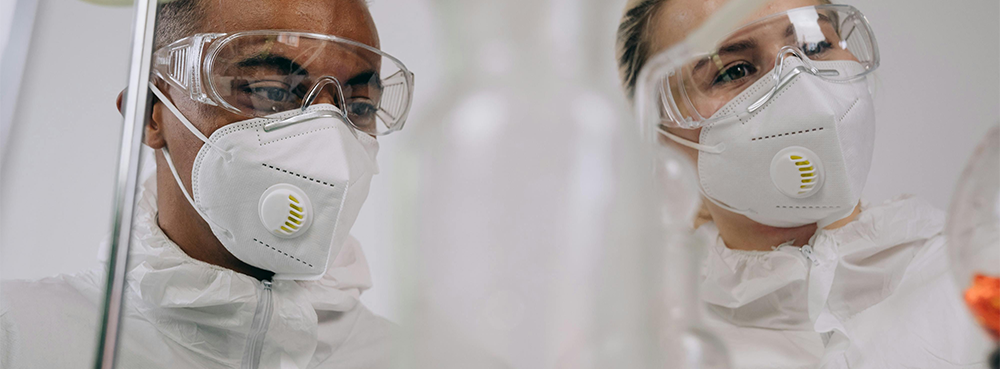
While emergency safety showers and eyewash stations are essential for responding to accidents, the best protection comes from preventing exposure before it occurs. Combining good chemical handling procedures with well-maintained emergency equipment helps create a safer workplace and reduce the likelihood of injury.
Key preventive measures include:
- Using appropriate personal protective equipment (PPE): gloves, goggles, face shields and protective clothing form the first barrier against splashes or spills.
- Maintaining good ventilation: proper airflow prevents the buildup of harmful vapours and reduces the risk of inhalation and condensation that could lead to skin or eye contact.
- Implementing spill control systems: clearly marked spill kits and containment areas ensure any accidental releases are managed quickly and safely.
- Regular inspection and testing of emergency equipment: confirm that all safety and eyewash stations are functional, compliant and always easily accessible.
Even with the best preventive measures, accidents can still happen, and when they do, rapid decontamination is vital. Acting immediately to flush affected areas with clean tepid water helps remove or dilute hazardous substances before they can be absorbed into the skin or eyes, reducing the severity of potential injuries.
By following these best practices, workplaces can minimise chemical absorption and injury risk, ensuring employees have the preventive controls and emergency protection they need to stay safe.
Explore Hughes’ range of ANSI/ISEA compliant emergency equipment designed to protect workers when every second counts.