Enquiry List () (0)


- Sep 12, 2025
What is an Emergency Eyewash Station Used For?
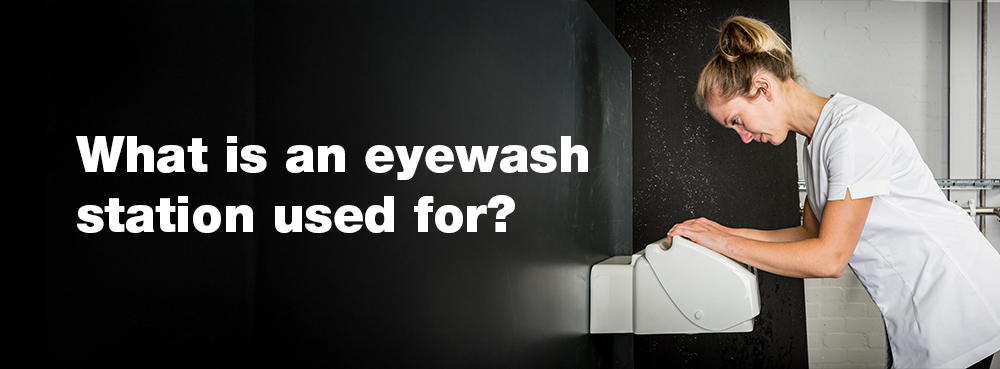
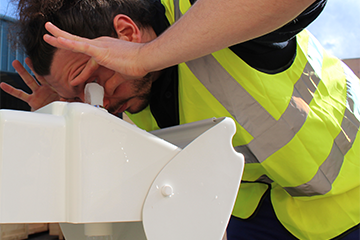
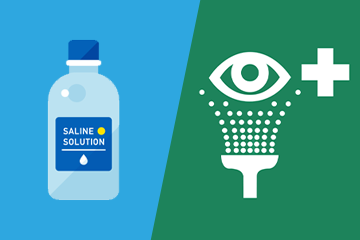
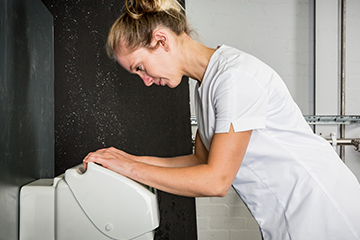
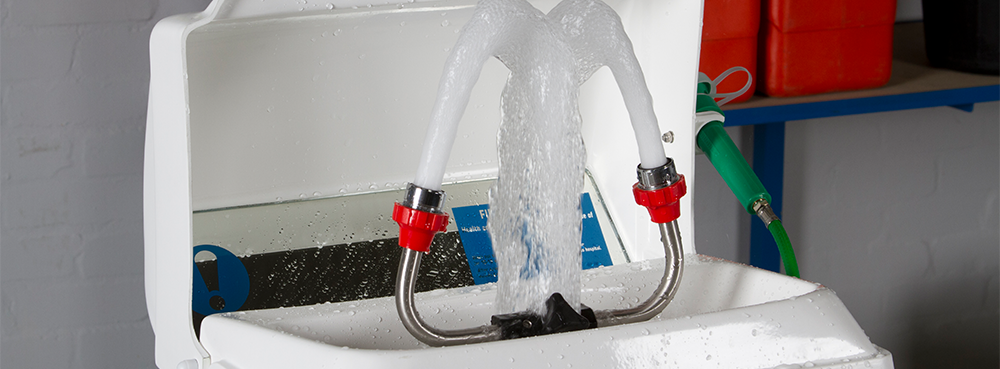
An eyewash station is a vital piece of emergency safety equipment designed to provide immediate flushing of the eyes if they come into contact with hazardous substances. Whether it’s a splash of chemicals, dust or other contaminants, using an eyewash station quickly can reduce the risk of serious injury. In the crucial first moments after exposure, having fast access to clean, temperate water can make all the difference.
To ensure maximum protection, eyewash stations are designed and installed in line with international standards such as ANSI/ISEA Z358.1. These standards set strict requirements for performance, location and water delivery, ensuring the equipment is effective and reliable when it matters most.
What is an Eyewash Station for?
The primary purpose of an eyewash station is to provide immediate flushing of the eyes following exposure to hazardous substances. In workplaces where chemicals and dust are present, accidents can happen in an instant. An eyewash station allows anyone affected to act quickly, rinsing their eyes before the substance has time to cause further harm.
By washing away harmful materials immediately, eyewash stations help reduce the severity of injuries. The faster the contaminant is removed, the lower the chance of long-lasting damage.
They also serve as an essential form of first aid, giving workers time to minimise the impact of an incident before professional medical treatment can be accessed. In many cases, this rapid response can make a significant difference to recovery outcomes.
When is an Eyewash Station Required?
Eyewash stations are required wherever there is a risk of hazardous substances coming into contact with the eyes. Regulations set out strict requirements for providing suitable emergency equipment in workplaces where employees may be exposed to chemical or fine dust from powders, cement or pharmaceuticals.
They are commonly found across a wide range of industries, including:
- Laboratories: where chemicals are routinely handled and tested.
- Chemical plants and manufacturing facilities: where corrosives, solvents and powders may be used.
- Healthcare settings: where exposure to hazardous chemicals such as disinfectants is a risk.
- Oil and gas operations: where hazardous liquids, such as hydraulic fluids or fuels, are present.
Ultimately, the need for an eyewash station is determined through a risk assessment. Employers must carefully evaluate the hazards in their workplace and ensure suitable emergency equipment is available, accessible and compliant.
Where Should Eyewash Stations Be Located?
The effectiveness of an eyewash station depends not only on its design but where it is installed. In an emergency, every second counts, which is why industry standards recommend that eyewash stations be located within 10 seconds (approximately 15-20 metres) of the hazard.
They must be on the same level as the risk area, so employees don’t need to climb stairs or cross obstacles to reach them. Access routes should always remain clear and unobstructed, ensuring workers can get to the equipment immediately, even in a panic.
For visibility, eyewash stations should be installed in well-lit areas, clearly marked with highly visible signage so that their location is obvious immediately.
Where is the Eyewash Station Located in a Lab?
In laboratory environments, eyewash stations are typically positioned close to the areas where chemicals are most frequently handled, such as chemical workbenches and fume hoods. This ensures that if an accident occurs, staff can reach the equipment within seconds.
In labs where higher-risk chemicals are present, eyewash stations may also be combined with safety showers, offering full-body decontamination alongside eye protection. This ensures comprehensive coverage for a wide range of potential incidents.
Practical Considerations for Eyewash Stations
There are different types of eyewash stations available, each suited to specific environments:
- Plumbed-in units connect directly to a potable water supply, providing a reliable and continuous flow.
- Self-contained or portable units hold their own water, making them ideal for areas without easy access to plumbing or for temporary work sites.
To remain effective, eyewash stations must undergo regular inspection and testing in line with standards. This ensures they deliver clean, safe water at the correct flow rate and temperature when needed most.
Equally important is staff training. Workers should know exactly where eyewash stations are located, how to activate them, and the correct way to flush their eyes.
To learn more about eyewash station options and how to ensure compliance with international standards, get in touch with our team for expert guidance on selecting the right eyewash solution for your workplace.