Enquiry List () (0)


- Jun 25, 2025

Reducing Chemical Hazards on Construction Sites

Construction sites are a whirlwind of activity. With the vastness of activities comes a variety of hazards to which workers are exposed, making accidents prevalent and often unprecedented. Yet, beneath the service of this bustling industry lies a less visible, but equally significant danger: chemical hazards. While hard hats and safety boots are essential for protecting against physical injury, the risks posed by hazardous chemicals often go unnoticed until it’s too late.
In this guide, we will explore the ‘unseen dangers’ by examining common chemical hazards on construction sites, explaining the risks, and outlining effective reduction strategies, including emergency decontamination equipment.
In This Guide
- Understanding Chemical Hazards in Construction
- The Role of Emergency Decontamination Equipment
- Why are Chemical Hazards Common on Construction Sites?
- Common Examples of Chemical Hazards Used in Construction
- Identifying and Assessing Hazardous Chemicals on Construction Sites
- Control Measures for Chemical Hazards in Construction
- Safe Storage and Handling
- Emergency Preparedness
Understanding Chemical Hazards in Construction
Construction work inherently involves an array of materials and processes, many of which introduce significant chemical risks. To effectively manage these risks, it’s crucial to understand what constitutes a chemical hazard in this unique environment and why they are so prevalent.
In the context of a construction site, a chemical hazard refers to any substance that has the potential to cause harm to workers, equipment or the environment. This harm can manifest in various ways. Chemical hazards on a construction site aren’t limited to just liquids in drums; they encompass a wide range of forms, including:
- Liquid: solvents, adhesives, paints, fuels, cleaning agents, acids and caustics.
- Gases: propane, acetylene and other gases used for welding or heating, as well as toxic gases that may be released from contaminated ground or confined spaces.
- Dusts: fine particulate matter generated from cutting, grinding, sanding or demolishing materials like concrete, wood, drywall and even lead-based paint. These can include silica dust, wood dust and asbestos fibres.
- Fumes: extremely fine solid particles formed from the condensation of vapourised solids, often generated during processes like welding or heating materials.
- Vapours: gaseous forms of substances that are typically liquid or solid at room temperature, often released from solvents, glues and paints.
The danger lies in the chemical’s inherent toxicity, as well as its concentration, duration of exposure, and route of entry into the body (e.g. inhalation, skin absorption, ingestion or injection).
The Role of Emergency Decontamination Equipment
The speed and effectiveness of emergency response are paramount to mitigating injury following chemical exposure. This is where emergency showers and eyewashes become an indispensable safety net on any site dealing with hazardous chemicals.
Why Emergency Showers and Eyewashes are Vital on a Construction Site
- Immediate relief for chemical splashes to skin and eyes
When a corrosive chemical splashes onto skin or into the eyes, every second counts. The immediate and copious flow of water from an emergency shower or eyewash can dilute the chemical, wash it away and cool affected tissues, reducing the severity of a potential burn or injury. Prompt decontamination can save eyesight and prevent devastating skin damage.
- Preventing further harm and minimising injury severity
Chemicals can continue to cause damage the longer they remain in contact with the body. By quickly flushing the affected area, these units stop the chemical reaction, prevent further absorption and minimise the depth and extent of tissue damage. This immediate action is often the difference between a minor incident and a life-altering injury.
- Compliance with standards
The provision of emergency showers and eyewashes is a fundamental regulatory requirement in many regions. Standards like ANSI Z358.1 internationally and EN15154 in Europe set out specific performance, installation and maintenance criteria for this equipment, ensuring it is fit for purpose. Adhering to these standards is essential for legal compliance and demonstrating a commitment to worker safety.
Key Considerations for Construction Sites
While the necessity of emergency decontamination equipment is clear, construction sites present unique challenges that differentiate their needs from fixed industrial facilities.
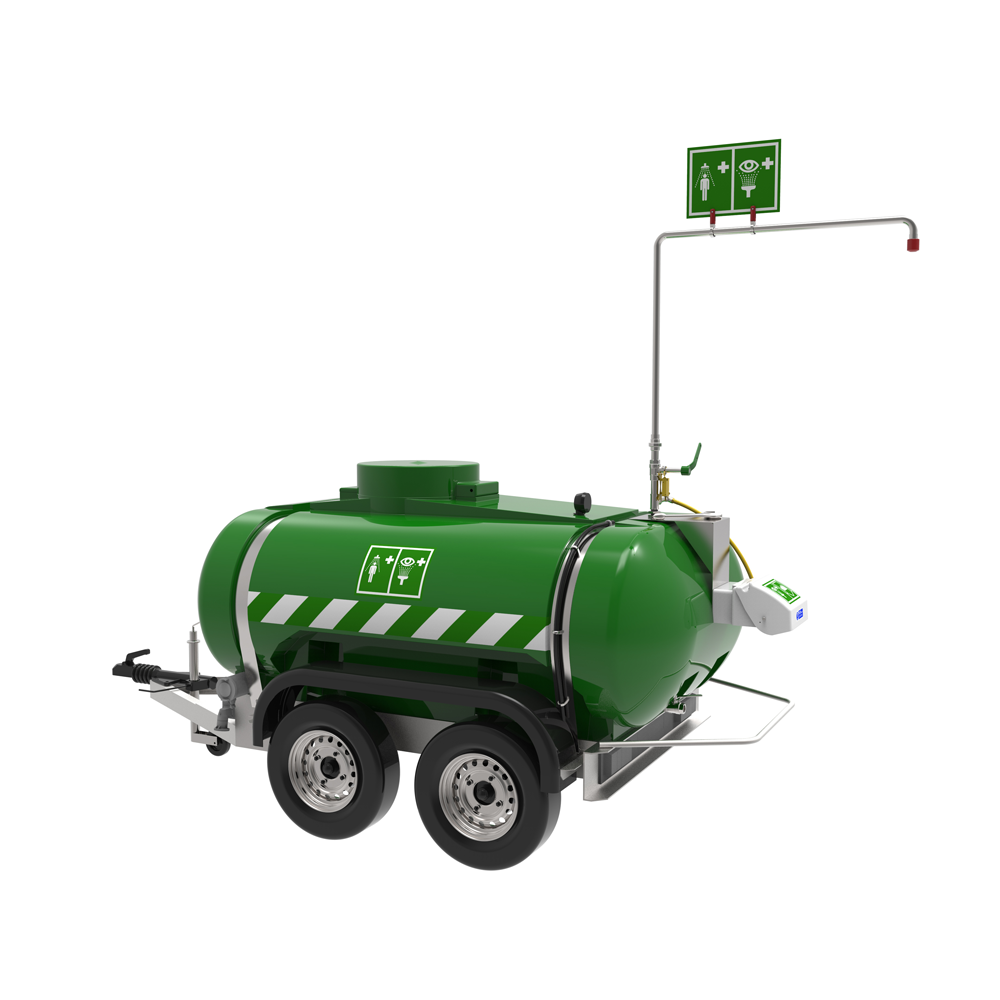
Unlike a permanent factory where plumbed-in units are feasible, construction sites are dynamic and often lack a consistent, accessible water supply or electricity in all necessary areas. This makes portable and self-contained emergency showers and eyewashes useful. These units, which hold their own water supply, can be easily moved to follow the work as it progresses, ensuring that emergency decontamination is always close at hand, regardless of utility availability.
The 40K45G holds 114L of water, features an ABS closed eye/face wash, and is easily manoeuvrable to the proximity of the hazard. The closed eye wash is an ideal solution for a construction site as the lid prevents dust and debris from collecting, which could damage the unit. The unit is suitable for a variety of climates with the addition of a retrofittable heated or insulated jacket, dependent on your site requirements.
ANSI Z358.1 standards specify that emergency water must be tepid – within a specific temperature range (typically 16-38°C or 60-100°F). Using tepid water is crucial for two reasons:
- It prevents hypothermia or thermal shock, which could prevent a worker from using the unit for the recommended 15-minute flush.
- It promotes maximum dilution and rinsing effectiveness without causing additional injury.
For maximum effectiveness, emergency showers and eyewashes must be located within 10 seconds’ reach from any potential chemical hazard. This means easily accessible, unobstructed pathways leading directly to the unit, even across multiple levels or confined spaces. Proper signage is also essential to ensure visibility.
The 528 US gallon self-contained safety shower with ABS closed bowl eye/face wash is immersion heated to provide 76 litres of tepid water for 15 minutes, complying with EN and ANSI standards. The unit can be filled with a standard garden hose before being transported to the site using the provided towing hitch.
An emergency unit is useless if it doesn’t work when needed. Regular maintenance and weekly testing ensure the equipment is fully functional. This includes checking water flow, pressure, temperature, and ensuring clear access. Proper documentation of these tests is necessary for compliance.
Why are Chemical Hazards Common on Construction Sites?
Chemical hazards are common on construction sites for several reasons:
- Materials and products: from concrete mix to paints, sealants and fire retardants, construction projects use a range of building materials, many of which contain or are treated with hazardous chemicals.
- Nature of work: different tasks are performed daily, bringing new materials and processes into play. This transient nature makes consistent hazard identification and control more challenging.
- Tasks and processes: activities such as cutting, grinding, welding, painting, cleaning and demolition each generate or use different chemicals, often releasing them into the air or creating hazardous residues.
- Legacy hazards: many renovation or demolition projects encounter hazardous materials from older structures, such as asbestos, lead-based paint, or even contaminated soil.
- Environments: while some work is outdoors, which can aid ventilation, other tasks occur in poorly ventilated or enclosed spaces, where chemical concentrations can quickly build to dangerous levels.
- Simultaneous work: with multiple trades often working closely, there’s a higher potential for dangerous chemicals to be stored or used near each other, or for one trade’s activities to expose another to chemical hazards.
Common Examples of Chemical Hazards Used in Construction
Click to expand:
> Solvents
Solvents are found in a range of products, including paints (thinners and removers), adhesives, glues, cleaning agents, degreasers and even some sealers and coatings. Exposure to solvents can lead to immediate and severe health problems. Short-term risks include headaches, dizziness, nausea and disorientation. Skin contact can cause irritation, dermatitis or even chemical burns. When in the eyes, burning and tearing can occur and, if severe, can lead to visual problems.
> Asbestos
Though largely banned in new construction, asbestos remains a concern in renovating and demolition projects involving older buildings, typically those built before 2000. It was widely used for insulation, fireproofing, roofing and various other building materials due to its heat resistance and strength. Asbestos fibres, when disturbed and airborne, are microscopic and can be easily inhaled. Exposure can lead to severe respiratory issues.
> Silica Dust
Crystalline silica is a common mineral found in materials like concrete, brick, mortar, stone and sand. High levels of respirable crystalline silica (RCS) dust are generated during common construction tasks such as cutting, drilling, grinding, crushing, or breaking these materials. Inhaling fine silica dust can cause severe and permanent lung damage.
> Lead
Like asbestos, lead is typically encountered in the renovation or demolition of older structures. It was commonly used in paints (especially before the late 1970s), pipes and some solders. Disturbing these materials can release lead dust and fumes, which can cause serious health issues when workers are exposed.
> Cement and Concrete
Wet cement is highly alkaline and corrosive, capable of causing caustic burns upon prolonged skin contact. The fine dust from dry cement or concrete can cause skin irritation and dermatitis.
> Fuels and Lubricants
Diesel, gasoline, engine oils, hydraulic fluids and grease are indispensable for powering machinery and vehicles on construction sites. These substances pose dual threats. They are highly flammable and, when in contact with the skin, can lead to irritation and dermatitis.
> Acid and Caustics
These corrosive chemicals are often used in specialised cleaning agents, rust removers, descalers and certain masonry cleaning solutions. They are highly reactive and can cause severe chemical burns to the skin and eyes upon contact.
Identifying and Assessing Hazardous Chemicals on Construction Sites
Before any work begins, and as new tasks or materials are introduced, identifying and assessing the chemical risks on a construction site is a regulatory requirement and fundamental for proactive safety management.
Safety regulations stipulate that any person on a construction site shall implement sufficient arrangements for dealing with any foreseeable emergency. In addition, the arrangements must be tested at suitable intervals, and every person to whom the arrangements extend must be familiar with those arrangements.
Hazard Communication
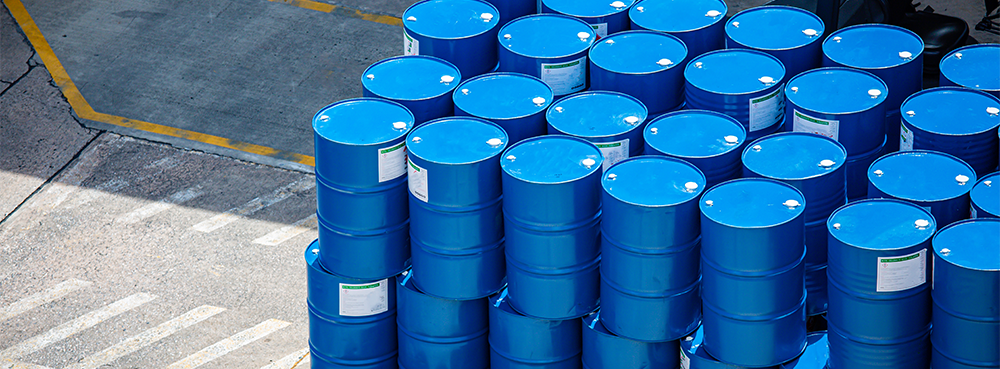
Effective hazard communication ensures everyone on site is aware of the chemicals they are working with and the associated risks, allowing workers to take appropriate precautions and respond correctly in an emergency. Examples include:
Safety Data Sheets (SDS)
These documents are the primary source of detailed information about hazardous chemicals. An SDS typically includes:
|
|
|
Labelling and Warnings
Chemical containers must be clearly labelled with information that provides immediate hazard warnings. These labels typically include:
| The name of the chemical |
| 'Danger' for more severe hazards or 'Warning' for less severe hazards |
| Statements describing the nature of the hazard |
| Advice on prevention, response, storage and disposal |
| Standardised symbols that visually convey specific hazards (e.g. flame, skull and crossbones, and so on) |
| Name, address and telephone number of the manufacturer or supplier |
Labels offer quick information, especially important when a full SDS may not be immediately accessible. Workers should always be trained to understand what these labels mean.
Risk Assessment Process

A thorough risk assessment is the cornerstone of managing chemical hazards on a construction site. It involves a structured approach to identify, evaluate and control risks:
- Identifying chemicals present
The first step is to compile an inventory of all chemicals that are (or will be) present on the construction site. This includes everything from fuels and lubricants to paints, adhesives, cleaning products, and any hazardous materials uncovered during demolition or renovation. Consulting procurement records, work plans and performing physical site surveys are crucial for this stage. - Evaluating exposure routes
Once chemicals are identified, the next step is to consider how workers might encounter them:
- Inhalation
- Skin contact
- Ingestion
- Injection
- Assessing the likelihood and severity of harm
This stage involves evaluating:
- Likelihood: how probable is it that exposure will occur, given the nature of the work, control measures already in place and worker practices? For example, is the chemical regularly used? Is it handled in an open area? Is PPE always worn?
- Severity: if exposed, what is the potential degree of harm? For example, minor irritation, severe burns, immediate incapacitation or a need for emergency medical attention.
By combining the likelihood of exposure with the potential severity of harm, a clear picture of the overall risk level for each chemical hazard emerges. This assessment then directly informs the selection and implementation of appropriate control measures.
Control Measures for Chemical Hazards in Construction
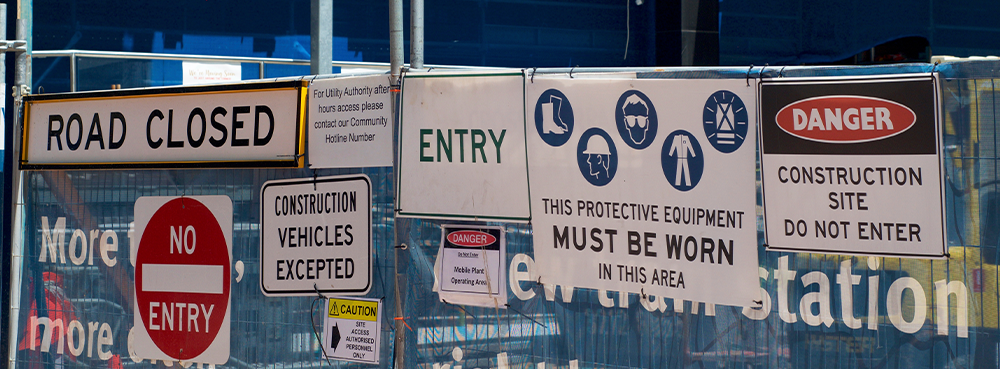
Once chemical hazards have been identified and assessed, the next step is to implement effective strategies to mitigate the risks. This is often referred to as the hierarchy of controls, and prioritises control measures based on their effectiveness, moving from the most impactful to the least.
Click to expand:
> 1. Elimination/Substitution
This is the most effective control measure. If a hazardous chemical can be removed from the workplace entirely or replaced with a less hazardous alternative, the risk is completely removed or significantly reduced at its source. Examples include:
- Using water-based paints or adhesives instead of solvent-based ones
- Opting for pre-mixed concrete instead of dry cement bags
- Choosing non-toxic cleaning agents
> 2. Engineering Controls
If elimination or substitution isn’t feasible, engineering controls should be adopted to modify the work environment or process to reduce exposure. Examples include:
- Ventilation systems
- Enclosed processes
- Isolation
> 3. Administrative Controls
This involves implementing safe work procedures and practices to reduce exposure. Examples include:
- Safe work procedures (SWPs) or method statements
- Training and education
- Limiting exposure time
- Good housekeeping
- Restricting access
> 4. Personal Protection Equipment
PPE is the last line of defence in the hierarchy and should only be relied upon when higher-level controls are not practical or sufficient to reduce risk to an acceptable level. PPE protects the individual worker from exposure. It must be selected based on the specific hazard, properly fitted, maintained, and workers must be trained on its correct use. Examples include:
- Respiratory protection, including respirators and dust masks
- Skin protection, including chemical-resistant gloves, protective clothing and aprons
- Eye protection, including safety glasses, goggles and face shields
Safe Storage and Handling
Beyond the hierarchy of controls, attention to how chemicals are stored and handled is important for preventing incidents:
- All chemical containers must be clearly labelled as per regulatory standards
- Incompatible chemicals must be stored separately to prevent dangerous reactions
- Chemicals should be stored in designated, secure, well-ventilated areas, away from ignition sources, extreme temperatures and direct sunlight
- Measures to prevent spills and to contain them if they occur are vital
Emergency Preparedness
Even with the best mitigation strategies, accidents can happen. Being prepared for chemical exposures is crucial for minimising harm.
Clear, documented procedures for responding to chemical spills of various sizes and types are essential. This includes identifying responsible personnel, spill kit locations, evacuation routes and communication protocols for reporting incidents. Workers must be trained on these procedures.
Rapid and effective first aid is critical for chemical exposure. This includes knowing how to administer immediate care for skin contact, eye contact or inhalation. This is where specialised emergency equipment becomes indispensable.
Hughes Safety Showers recognises the specific challenges of construction environments. Our range of mobile and self-contained emergency tank showers and portable eyewash stations is specifically designed to meet the rigorous demands of transient construction sites. These units provide reliable, compliant and immediately accessible decontamination solutions, ensuring that even in remote or developing areas of a construction project, workers are protected with safety equipment in case of exposure.
Protecting the workforce should be at the forefront of every employer’s mind. To discuss your specific site requirements with experts, contact Hughes today on +44 (0)161 430 6618 or via our online contact form.